Understanding the Difference Between Cleaning Methods
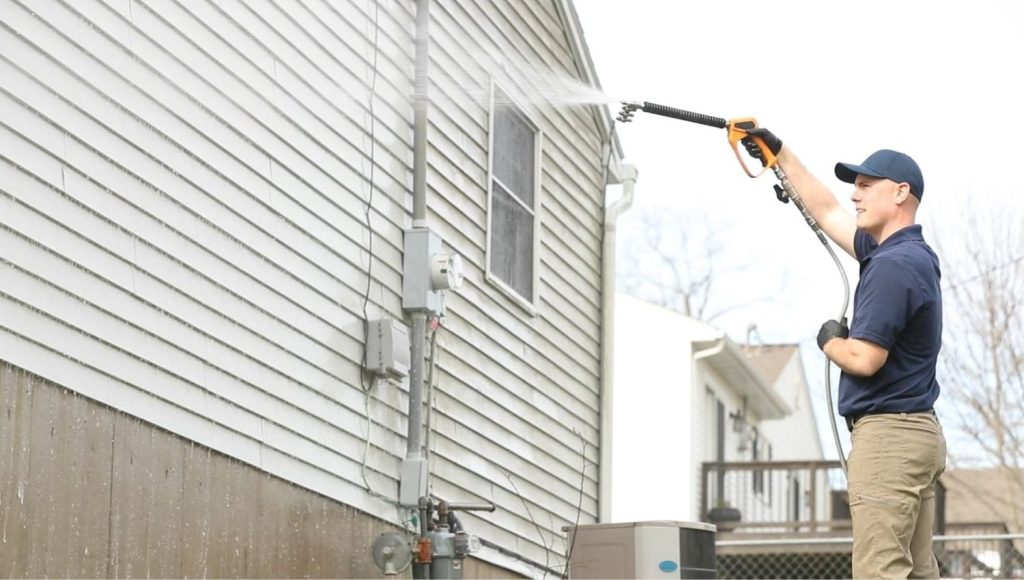
Exterior cleaning methods are not interchangeable, and understanding the difference between soft washing and pressure washing is essential for protecting your property. Pressure washing uses high-pressure water to remove heavy buildup from durable surfaces, while soft washing relies on low pressure and specialized cleaning solutions to safely eliminate organic growth. Each method serves a specific purpose, and choosing the wrong one can lead to unnecessary damage or ineffective results.
Many exterior surfaces may look similar, but react very differently to pressure. Roofs, siding, and painted surfaces are especially vulnerable to high pressure, while concrete and stone require a stronger force to remove embedded grime. Professional exterior cleaning evaluates each surface individually to determine the safest and most effective approach, ensuring proper cleaning without compromising structural integrity.
Why Soft Washing Is Ideal for Delicate Surfaces
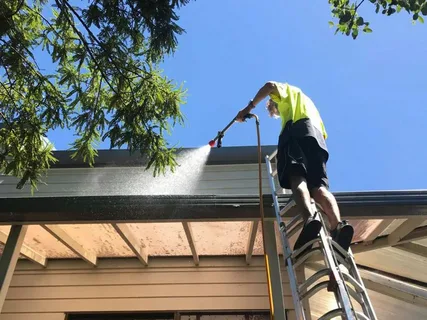
Soft washing is specifically designed for delicate exterior materials such as roofs, siding, trim, and soffits. Organic growth, like algae, mildew, and bacteria, does not simply rest on the surface; it embeds itself into porous materials. Soft washing solutions treat these contaminants at the root, breaking them down completely instead of just washing away visible stains.
Low-pressure application prevents damage to shingles, paint, and protective coatings. Unlike high-pressure methods that can strip surfaces or force water behind materials, soft washing allows cleaning agents time to work effectively. This results in longer-lasting cleanliness and reduced regrowth, making soft washing a safer and more efficient option for most residential exterior cleaning needs.
When Pressure Washing Is the Right Choice
Pressure washing remains an essential tool when used on the correct surfaces. Driveways, sidewalks, patios, and other concrete areas are exposed to oil, tire marks, grime, and heavy traffic that require higher pressure to remove. These surfaces are built to withstand stronger forces, making pressure washing the most effective way to restore their appearance and safety.
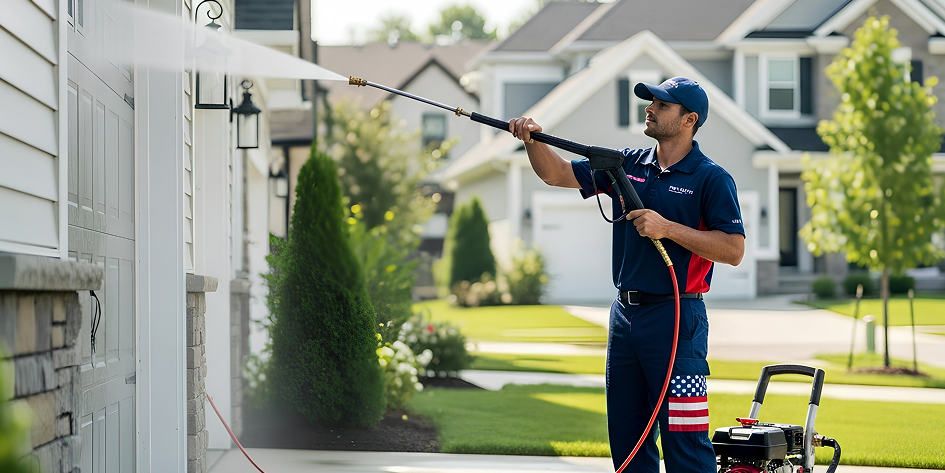
Professional pressure washing equipment allows for controlled application rather than excessive force. Operators adjust pressure levels, nozzle types, and techniques to match surface conditions. This precision ensures deep cleaning without etching concrete or causing surface damage, delivering consistent and uniform results that enhance curb appeal and durability.
Common DIY Mistakes Homeowners Make
One of the most common mistakes homeowners make is assuming higher pressure always leads to better results. In reality, excessive pressure often causes hidden damage that may not be immediately visible. Stripped paint, loosened shingles, cracked siding, and forced water intrusion are frequent consequences of improper pressure washing.
Another mistake is using pressure washing to address organic growth on roofs and siding. While stains may disappear temporarily, spores often remain embedded, allowing growth to return quickly. Professional exterior cleaning avoids these issues by applying the correct method for each surface, preventing costly mistakes and ensuring long-term effectiveness.
How Proper Methods Improve Long-Term Maintenance
Using the correct cleaning method plays a major role in long-term property maintenance. Soft washing prevents organic growth from returning rapidly, reducing the need for frequent cleanings. Pressure washing restores concrete strength and slip resistance, improving safety while extending surface lifespan.
When surfaces are cleaned correctly, moisture retention is reduced, materials dry properly, and wear slows significantly. This leads to fewer repairs, longer intervals between maintenance services, and lower overall ownership costs. Proper exterior cleaning becomes a preventative maintenance strategy rather than a recurring problem.
The Role of Professional Experience and Equipment
Professional exterior cleaning combines experience, training, and commercial-grade equipment to deliver consistent results. Knowing when to use soft washing versus pressure washing requires more than surface-level knowledge. Professionals understand material composition, environmental conditions, and potential risks before beginning any job.
Advanced equipment allows for precise control over pressure, flow rate, and cleaning application. This ensures surfaces are treated safely and effectively every time. Homeowners benefit from reliable outcomes without the trial-and-error risks associated with DIY methods.
Choosing the Right Method Protects Your Investment
Your home is one of your most valuable investments, and exterior cleaning plays a significant role in protecting it. Using the wrong cleaning method can shorten material lifespan and increase maintenance costs. Choosing the right approach preserves surfaces, prevents damage, and maintains property value.
Professional exterior cleaning ensures each surface receives the correct treatment for lasting results. By combining soft washing and pressure washing appropriately, homeowners gain both cleanliness and peace of mind. The right method, applied correctly, safeguards your property while keeping it looking its best year after year.